Mılk and Daıry Products
Homogenization of milk reduces the size of fat globules in milk and ensures they are evenly distributed throughout the liquid. This process extends the shelf life of milk and improves the taste and texture of the product.
The homogenization process is carried out by passing milk through special valves under high pressure. This process breaks down fat particles down to the micron level and gives the milk a brighter color, softer texture, and more stable structure. These characteristics directly affect the quality of many dairy products such as yogurt, cheese, ice cream, labneh, cream cheese, and milk powder.
What ıs homogenızed mılk?
How is Milk Homogenization Done?
Milk homogenization is a process that breaks down the fat globules in milk into smaller particles, allowing them to disperse evenly throughout the liquid. During this process, milk is passed through a special valve under high pressure. The cavitation and turbulence effects created as it passes through the valve reduce the fat globules to micron size.
As a result, the milk gains a smoother texture, brighter color, and longer shelf life. Additionally, fat separation is prevented, and the desired homogeneous structure in dairy products is achieved. Depending on the need, the process can be applied in a single or double stage.
Homogenızatıon Methods
The method and pressure value to be used in milk homogenization are determined according to the product type. Single-stage homogenization is preferred for some products, while double-stage homogenization is preferred for others. The pressure and number of stages to be applied according to the product are determined by our expert sales staff.
Factors Affectıng Homogenızatıon
Homogenızatıon Temperature
During milk homogenisation, temperature is a critical parameter for product quality and process efficiency. The recommended homogenisation temperature is generally between 60–75 °C; temperatures below 50 °C are not recommended.
Homogenızatıon Pressure
Increased pressure reduces the diameter of fat globules. Pressure values applied for drinking milk
Pasteurized milk: 100-200 bar (at 65 ºC)
UHT sterilized milk: 150-250 bar (at 65 ºC)
Benefıts of Mılk Homogenızation
- It increases the viscosity of milk, thereby improving its quality.
- It ensures the homogeneous distribution of fat in milk. This prevents the formation of a cream layer.
- The fat particles in milk are broken down into smaller pieces, increasing the surface area and making the milk taste better.
- After homogenisation, milk reflects light better, giving it a whiter appearance.
- It makes milk easier to digest.
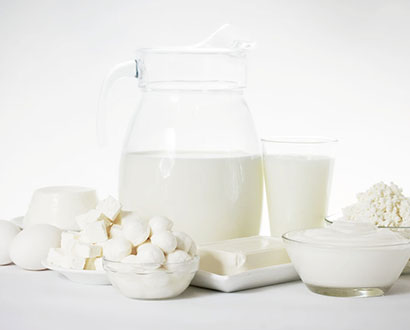
Application Areas in Milk and Dairy Products
Milk Homogenizer Selection
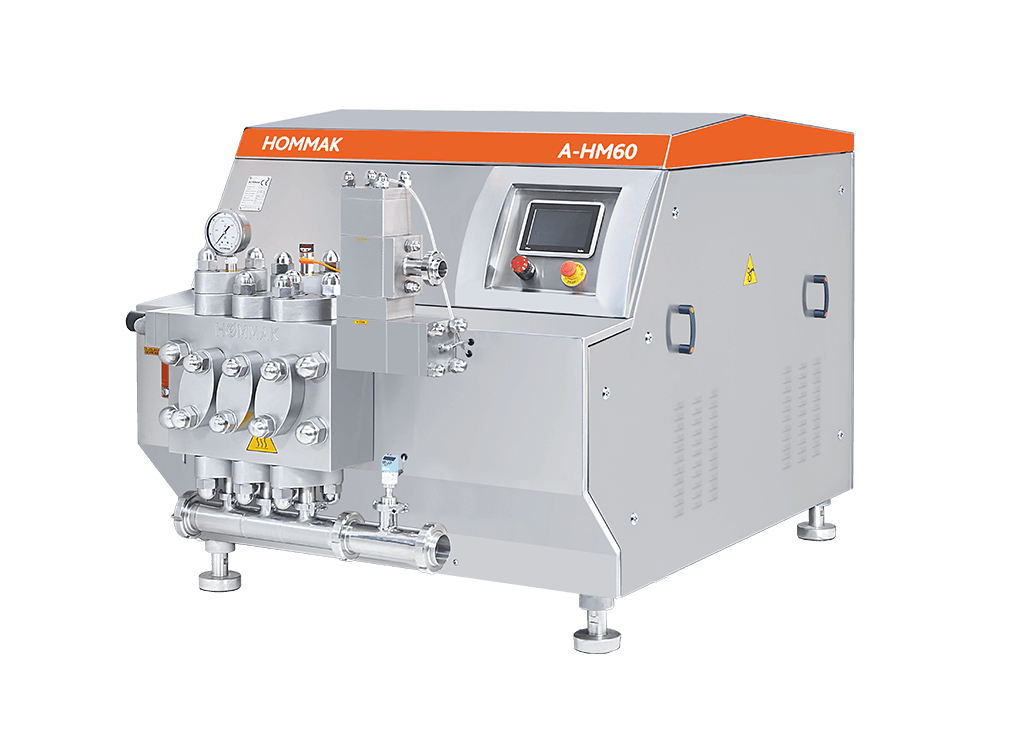
To achieve the most accurate and effective results from the homogenization process, you need to select the right homogenizer. You can rely on HOMMAK Machine’s experienced team for milk homogenizer selection, production, and design.
- Milk
- Yogurt
- Kefir
- Butter
- Ice cream
- Cream Cheese
- Labne
- Cottage cheese
- Milk Proteins
- Fermented Dairy Products
- Whey-Based Beverages
- Coffee Whiteners
- Baby Food
- Desserts made with milk
- Puddings